Sciatica and Nerve Pain Treatment in North Kansas City: Getting to the Root of Radiating Pain
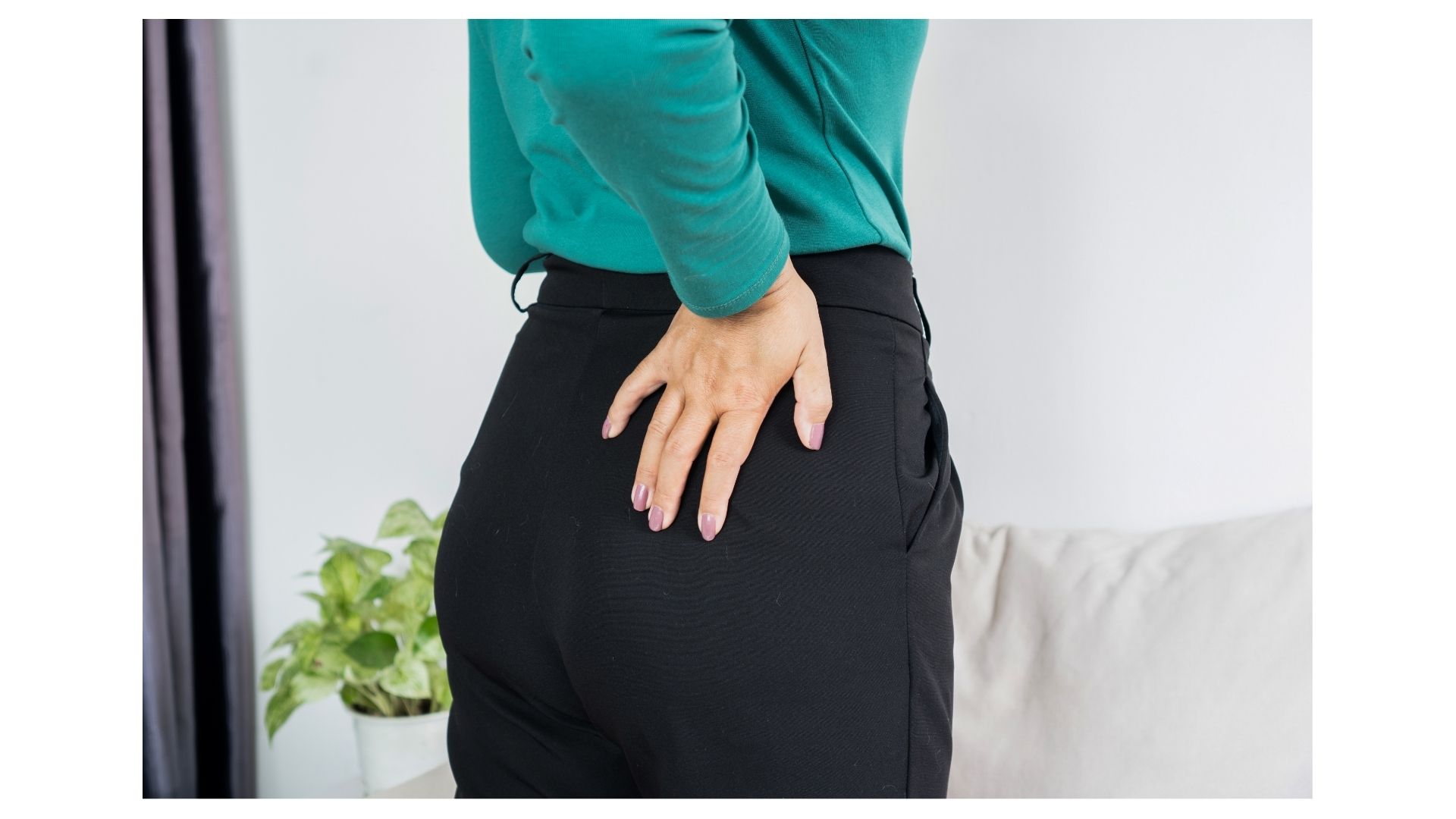
There's a reason sciatica is one of the most searched pain conditions in Kansas City. The experience is hard to ignore — a sharp, burning, or electric pain that starts in the lower back or buttock and radiates down the leg, sometimes all the way to the foot. It might come with numbness, tingling, or weakness. It might be constant or intermittent. It might be triggered by sitting, standing, bending, or seemingly nothing at all.
What makes sciatica particularly frustrating for North Kansas City patients is how often it's treated as a single condition when it's actually several different conditions that produce similar symptoms — and that require different treatment approaches depending on what's actually causing the nerve irritation. Rest and anti-inflammatories may manage the pain temporarily, but they don't address why the sciatic nerve is being compressed or irritated in the first place.
At Birch Chiropractic & Rehab in North Kansas City, Dr. Birch founded the practice in 2021 with a commitment to finding what's actually driving each patient's pain before building a care plan. For sciatica patients throughout the Kansas City Northland, that means a thorough diagnostic process that identifies the specific source of nerve irritation — and a multi-modal treatment approach designed around that source.
Understanding the Sciatic Nerve
The sciatic nerve is the longest and widest nerve in the human body. It originates from nerve roots at the L4, L5, S1, S2, and S3 levels of the lumbar and sacral spine, merges into a single nerve in the buttock region, and travels down the back of the thigh, splitting into branches that supply the lower leg and foot.
Because the sciatic nerve is so long and its origin spans multiple spinal levels, it can be compressed or irritated at several different points along its course — and the location and nature of the compression determines the specific symptoms the patient experiences. Radiating pain, numbness, tingling, and weakness in the lower extremity are all possible manifestations, depending on which nerve roots are involved and where along the nerve's course the irritation is occurring.
For Kansas City patients who've been told they have sciatica, the most important clinical question isn't "do you have sciatica" — it's "where is the sciatic nerve being compressed, and what's causing it."
Three Different Causes, Three Different Treatment Approaches
This is where the root-cause approach at Birch Chiropractic & Rehab makes the most meaningful difference for North Kansas City sciatica patients. The three most common sources of sciatic nerve irritation — lumbar disc herniation, piriformis syndrome, and sacroiliac joint dysfunction — each produce sciatic-pattern pain but have different clinical features and respond to different treatment priorities.
Lumbar Disc Herniation
The intervertebral discs of the lumbar spine — particularly at L4-L5 and L5-S1, the two levels most commonly involved in sciatica — can herniate when the inner nucleus pulposus pushes through the outer annular fibers and contacts the adjacent nerve root. The result is a chemically and mechanically irritated nerve root that produces the classic sciatica pattern: pain that radiates from the lower back down the leg in a dermatomal distribution, often accompanied by numbness, tingling, or weakness in the muscles supplied by the affected root.
Key clinical features of disc herniation sciatica include pain that worsens with sitting and the Valsalva maneuver (coughing, sneezing, bearing down), a positive straight leg raise test, and neurological findings on examination when the herniation is significant.
For North Kansas City patients with disc-related sciatica, spinal decompression therapy is one of the most effective conservative interventions available. Decompression gently distracts the lumbar vertebrae, creating negative intradiscal pressure that draws the herniated material back toward the disc center and reduces the compressive load on the affected nerve root. Combined with specific chiropractic adjustments to restore lumbar mechanics and core rehabilitation to support the disc during recovery, decompression produces meaningful improvement for the majority of disc herniation patients who commit to a full course of care.
Piriformis Syndrome
The piriformis muscle runs from the sacrum to the outer hip, and in a significant percentage of the population, passes in close proximity to or directly through the sciatic nerve. When the piriformis becomes chronically tight or hypertrophied — often as a compensation for gluteal weakness, sacral misalignment, or prolonged sitting — it can compress the sciatic nerve at the level of the buttock, producing sciatica-pattern symptoms that have nothing to do with the lumbar discs.
Piriformis syndrome is one of the most frequently missed causes of sciatica in Kansas City clinical practice, because it doesn't show up on standard lumbar MRI and its symptoms closely mimic disc herniation. Clinical clues include buttock pain that's worse with hip internal rotation, absence of the neurological findings typically associated with disc involvement, and a positive piriformis test on examination.
For North Kansas City patients with piriformis syndrome, dry needling is one of the most effective tools available. Inserting thin needles directly into the hyperirritable piriformis muscle produces rapid relaxation of the chronic tension that's compressing the sciatic nerve — relief that manual therapy alone often can't fully achieve. Combined with sacral and SI joint chiropractic adjustments to address the proximal mechanical contributors, and targeted gluteal rehabilitation to reduce the compensation pattern that's loading the piriformis, this approach resolves piriformis syndrome more effectively than lumbar-focused treatment.
Sacroiliac Joint Dysfunction
The sacroiliac joint — where the sacrum meets the iliac bone of the pelvis — can produce radiating pain into the buttock and posterior thigh that closely resembles sciatica. This referred pain pattern doesn't involve actual sciatic nerve compression, but it travels through the same regional territory and is frequently misattributed to disc or nerve root pathology.
SI joint dysfunction as a sciatica mimic is particularly relevant for Kansas City patients who've had lumbar MRI showing disc findings that have been blamed for symptoms actually driven by the SI joint. Specific SI joint provocation testing — the FABER test, Gaenslen's test, compression and distraction tests — is more sensitive for this diagnosis than imaging alone, and it's a routine part of the sciatica assessment at Birch Chiropractic & Rehab.
SI joint-driven symptoms respond exceptionally well to specific sacroiliac chiropractic adjustments — often producing rapid and significant relief that confirms the diagnosis in retrospect. Soft tissue work to the surrounding ligaments and muscles, and stabilization exercises targeting the gluteal and core muscles that support the SI joint, complete the treatment picture.
The Birch Chiropractic & Rehab Multi-Modal Approach to Sciatica
What distinguishes sciatica care at Birch Chiropractic & Rehab for North Kansas City patients is the combination of a thorough diagnostic process and the full toolkit of treatment modalities available to address whatever source of nerve irritation is identified.
Dr. Birch takes time with every sciatica patient — reviewing the full history of the symptoms, performing a comprehensive physical and neurological examination, evaluating lumbar and pelvic mechanics, and identifying the specific clinical picture that points to the primary driver of the patient's pain. This diagnostic thoroughness is the foundation that makes treatment effective.
From that assessment, the care plan is built around the specific diagnosis:
Spinal decompression for disc herniation patients, targeting the specific lumbar levels involved with a graduated protocol designed around the patient's presentation and response.
Chiropractic adjustments to the lumbar spine, sacroiliac joints, and pelvis — restoring proper mechanics and reducing the joint dysfunction that contributes to nerve irritation regardless of the primary diagnosis.
Dry needling for piriformis syndrome and the muscular tension that accompanies all sciatica presentations, producing rapid normalization of muscle tone that manual therapy alone often can't achieve.
Targeted rehabilitation to rebuild the core stability, gluteal strength, and movement pattern control that protect the lumbar discs and sacroiliac joints from the mechanical stresses that produce sciatica in the first place. A sciatica that resolves without rehabilitation is a sciatica that's likely to return.
[Acupuncture](/services) for patients dealing with significant pain or the systemic stress response that often accompanies prolonged nerve pain — providing complementary pain relief and nervous system regulation that supports the healing process.
What North Kansas City Sciatica Patients Can Expect
For most North Kansas City patients presenting with acute sciatica, meaningful improvement is achievable within four to eight weeks of consistent conservative care. The timeline varies based on the severity and chronicity of the presentation, the specific source of nerve irritation, and how well the patient engages with the rehabilitation component of care.
Patients with chronic sciatica — symptoms that have been present and inadequately treated for months or years — typically require a longer course of care, though improvement remains the expected trajectory with a comprehensive approach. The nervous system's response to chronic irritation takes time to normalize even after the mechanical source of compression has been addressed.
Dr. Birch is straightforward about timelines and expectations from the first appointment — providing a realistic picture of the recovery trajectory based on each patient's specific presentation rather than offering optimistic projections that don't account for the complexity of the individual case.
Stop Managing Sciatica and Start Resolving It
Sciatica doesn't have to be a chronic condition you manage indefinitely. For the majority of North Kansas City patients whose symptoms have a clear mechanical source — disc herniation, piriformis compression, or SI joint dysfunction — comprehensive conservative care that addresses that source produces genuine, lasting relief.
Birch Chiropractic & Rehab is accepting new sciatica patients throughout the Kansas City Northland. Dr. Birch takes time with every patient, builds care plans around the specific diagnosis, and has the full toolkit of modalities necessary to address sciatica from whatever direction it's coming from.
Call today: (816) 491-8000 📍 409 NE Shady Ln Dr, Kansas City, MO 64118 🌐 birchchirokc.com
Birch Chiropractic & Rehab 409 NE Shady Ln Dr, Kansas City, MO 64118 (816) 491-8000 | birchchirokc.com Dr. Birch — Serving North Kansas City and the Kansas City Northland since 2021